Some links in this post are affiliate links. If you buy something through one, Naturally Well Today may earn a small commission, and the price you pay does not change. How this works.
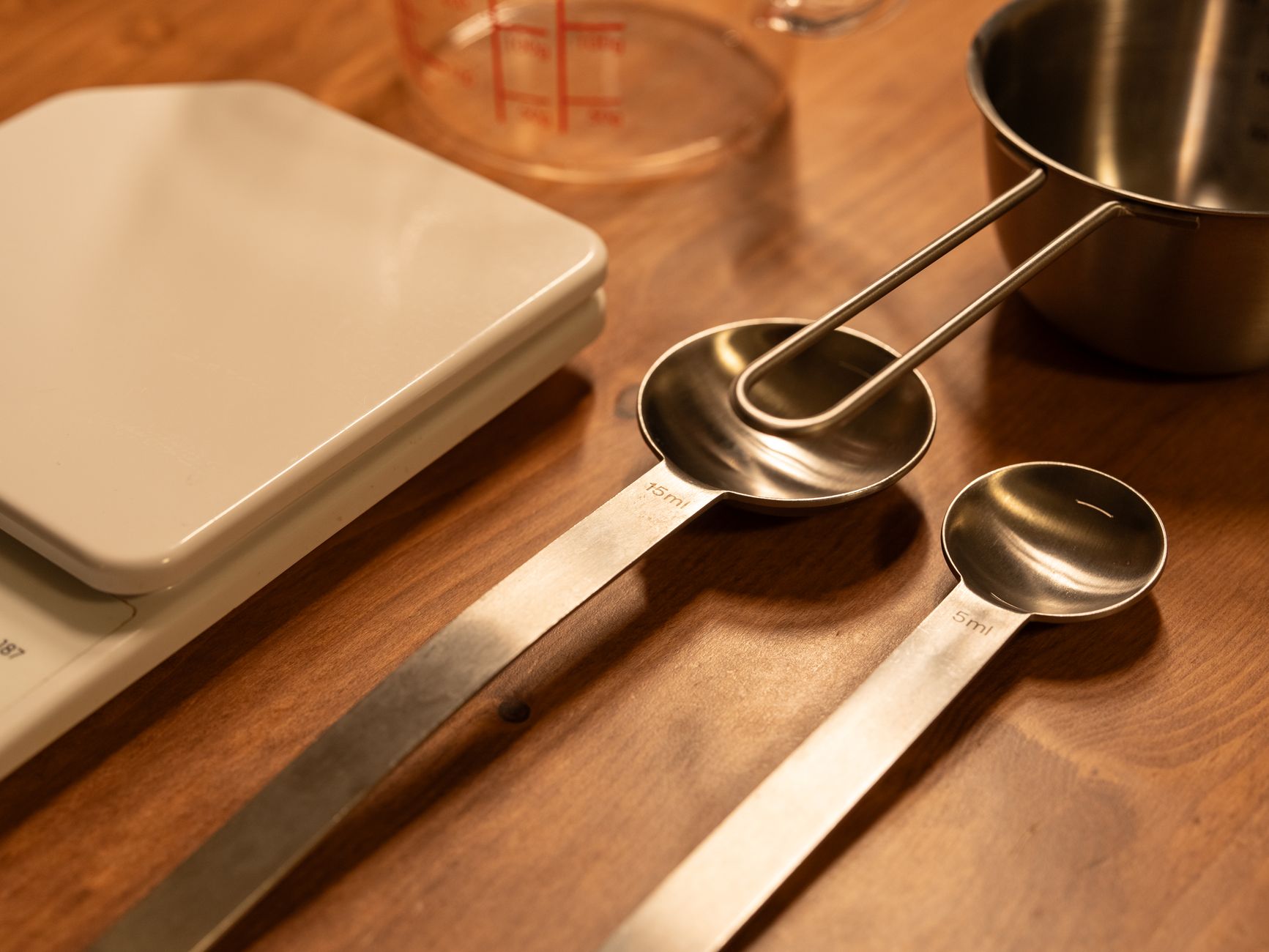
There is an old idea in the study of substances that gets summarized as the amount makes the difference. It is not new, and it is not controversial. It simply means that almost anything, taken in the right amount, can be either useful, useless, or harmful, depending entirely on how much of it there is. Water is essential to life, and yet drinking far too much of it too quickly can be dangerous. That single fact tells you something important about how little the word natural has to do with how something behaves once amount enters the picture.
This matters especially for plants and herbs, because we tend to think of them as gentle by nature, something you could not really overdo the way you might with a medication. But herbs carry active compounds, sometimes many of them at once, and those compounds do not become inactive just because they came from a garden instead of a factory. A tea made with a light hand and a tea made with a heavy hand are not really the same drink, even if the label on the tin looks identical.
Small amounts and large amounts are different questions
When people ask whether an herb is safe, the honest answer is almost always it depends on how much and how often. A small amount used occasionally is a very different question from a concentrated amount used daily for months. Someone might read that a plant has been used for generations and assume that settles the safety question entirely, but what usually got passed down through generations is a sense of proportion, a rough understanding of how much was reasonable, not a blank permission slip to use as much as you like.
This is part of why teas, infusions, and cooking with herbs tend to be gentler than concentrated extracts, tinctures, or capsules made from the same plant. The processing itself changes the amount of active compound you are getting in a single serving. A cup of tea steeped briefly delivers something quite different from a few drops of a concentrated tincture, even when both started from the same leaf.
The plant did not become dangerous. The amount changed, and the amount was doing more of the work than anyone gave it credit for.
Why more is rarely the answer
There is a common instinct, especially with anything framed as gentle or natural, to assume that if a little helps, more will help faster. This instinct makes sense emotionally, but it does not hold up well against how bodies actually process things. Many plant compounds follow a curve, not a straight line. A little supports something. More does nothing extra. Too much starts to cause problems, sometimes the very symptoms a person was hoping to avoid, like stomach upset, headache, or a skin reaction.
This is one of the quieter reasons that patience matters with anything you are trying for the first time. Starting small and paying attention to how your body responds is not overly cautious. It is simply respecting that dose is doing real work, whether or not the packaging mentions it.
A few grounding habits
- Treat any new herb, tea, or plant-based product as something to introduce slowly, not all at once.
- Pay attention to concentrated forms, like extracts or tinctures, differently than you would a mild tea or a food-level amount.
- Do not assume that because something is labeled natural, there is no upper limit worth respecting.
- If a product does not tell you how concentrated it is or how much is considered a typical serving, that is worth noticing, not ignoring.
None of this is meant to make herbs or plant-based routines feel frightening. Most people, using most common herbs in ordinary amounts, are simply fine. The point is narrower than that. It is that the word natural was never meant to answer the question of how much is too much. That question belongs to dose, and dose deserves its own attention, separate from where a substance originally came from.
When the amount is a medical question, not a kitchen one
If you are pregnant, managing a chronic condition, taking prescription medication, or considering giving something to a child, the question of dose stops being something to figure out through trial and personal observation. Bodies in those situations respond differently, and the margin for a small mistake can be much narrower. That is a conversation for a doctor or pharmacist, not a label, a forum post, or even a well-meaning article like this one. They can speak to your specific situation in a way that no general guidance ever could.
The plant is not the variable to be suspicious of. The amount is. Once you start asking how much instead of just is this natural, a lot of the guesswork quietly falls away.