Some links in this post are affiliate links. If you buy something through one, Naturally Well Today may earn a small commission, and the price you pay does not change. How this works.
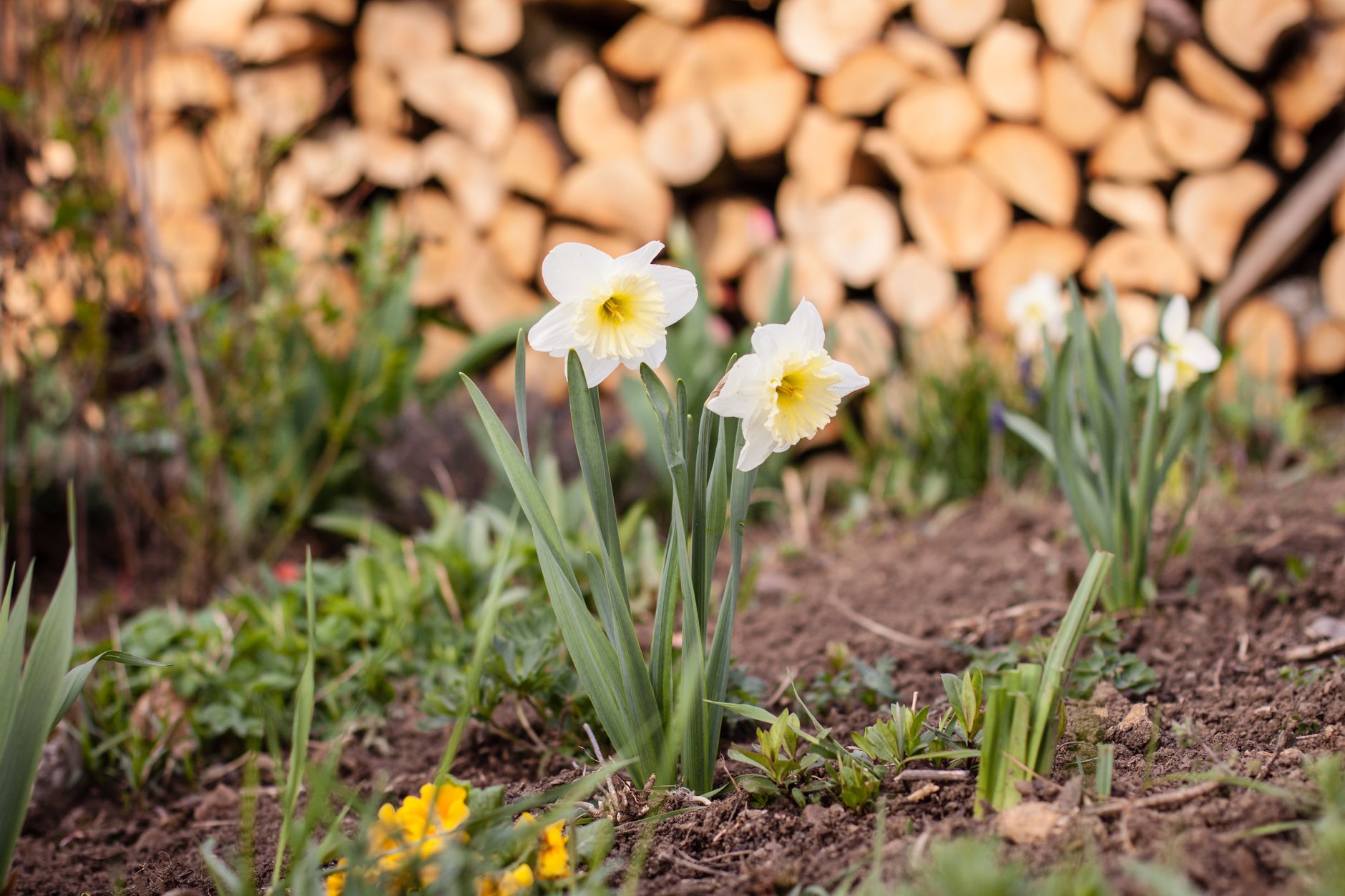
Early spring is a strange in-between stretch. The worst of winter has usually passed, but the garden still looks mostly bare, and it is tempting to treat this time as empty, a pause before the real season starts. In practice, a fair amount of useful work happens here, most of it quiet and easy to overlook because none of it produces anything you can hold in your hand right away.
Watching the ground before watching the plants
Before anything is planted or tended, the soil itself is worth paying attention to. Ground that is still waterlogged or frozen in patches is not ready to be worked, even if the air feels mild on a given afternoon. Walking on or digging into soil that is too wet compacts it in ways that cause problems for months afterward. A simple test is picking up a handful of soil and squeezing it. If water runs out or it forms a dense, sticky ball, it is not ready yet. If it crumbles apart loosely, it likely is.
The first things worth doing are mostly cleanup
Early spring is a natural time to clear away what is left over from the previous year, dead stalks, matted leaves, anything that did not fully break down over winter. This is not just tidiness for its own sake. Leftover plant material can hold onto moisture in ways that encourage problems once things warm up, and clearing it gives new growth room and light it would otherwise have to compete for.
At the same time, some gardeners deliberately leave certain areas alone a little longer, since overwintering insects and small creatures often use leaf litter and hollow stems as shelter until temperatures rise more consistently. There is a balance here between clearing space and giving those creatures time to move on naturally, and it is fine to lean toward patience rather than urgency.
Herbs often wake up before vegetables do
Perennial herbs like chives, mint, and oregano are frequently among the first things to show new growth, sometimes weeks before anything else in the garden looks alive. A small early harvest from these is usually fine and does not set the plant back the way harvesting too early from an annual vegetable might. This can be one of the few genuinely rewarding parts of early spring, a small taste of green before most of the garden has caught up.
Early spring does not reward waiting for everything to look finished. It rewards paying attention to the small signs that things are quietly starting.
Preparing containers and tools rather than plants
This stretch of the season is also a reasonable time to deal with the practical, unglamorous side of things, cleaning pots and containers from the year before, sharpening or repairing tools, checking that anything stored over winter is still in usable condition. None of this looks like gardening in the way a summer harvest does, but skipping it tends to create small frustrations later, when a task is delayed by a tool that needed attention weeks earlier.
Reading the light as much as the temperature
Temperature gets most of the attention in early spring, but day length matters just as much to how plants behave. A mild day in a short-daylight stretch of the season does not behave the same way as an equally mild day once daylight hours have increased. This is part of why relying on a single warm afternoon to judge readiness for planting can be misleading. It helps to watch the pattern over a week or two rather than reacting to any single day.
Letting the season set the pace
The hardest part of early spring, for many people, is resisting the urge to rush it. There is often a strong pull to plant everything as soon as the weather turns mild for a day or two, but a late frost can undo that effort quickly. The quieter approach, clearing space, tending to what is already established, and waiting for a more settled stretch of weather before pushing ahead, tends to hold up better over the following months than an early burst of activity followed by a setback.
Nothing to show yet is not the same as nothing happening
It can be discouraging to look at a garden in early spring and see so little compared to what is coming. The useful reframe is that most of what happens in this stretch is invisible from above ground, roots settling, soil recovering, small creatures finishing their winter cycles. The visible part of the season catches up eventually. Early spring is simply where the less visible part happens first.
Checking what survived the winter
Early spring is also the point where it becomes clear which perennials made it through the cold and which did not. Rather than assuming a plant that looks bare and lifeless is finished, it is worth waiting a few extra weeks and checking for any small sign of new growth at the base before deciding to remove it. Some plants that look completely dead in early spring are simply slower to wake up than their neighbors, and pulling them too soon means losing something that would have come back on its own.
Planning has its place here too
Because so little physical work is possible or advisable this early, it is a reasonable time to do the planning that gets skipped once the busier parts of the season arrive. Deciding roughly where things will go, checking which seeds or supplies are already on hand, and thinking through what did or did not work the previous year all fit naturally into this quieter stretch. Doing this thinking now, rather than in the middle of a busy planting week later on, tends to make the following months feel less rushed.
The parts of a season that look like nothing is happening are often where the most important groundwork gets laid.
A little exposure helps, in moderation
For seedlings started indoors ahead of the outdoor season, early spring is often when they need to begin adjusting to outdoor conditions gradually, a process of short, increasing periods outside rather than a single abrupt move. Skipping this step and moving plants outside all at once, even once the weather seems mild enough, tends to stress them in ways that show up later as weak or slow growth. Patience during this transition matters as much as it does with the soil itself.