Some links in this post are affiliate links. If you buy something through one, Naturally Well Today may earn a small commission, and the price you pay does not change. How this works.
Every year there is a stretch when the garden gives more than can be used right away, and then a much longer stretch when there is nothing coming from outside at all. Storing herbs well is really about closing that gap, so that something picked in warm weather is still useful in the middle of a cold, quiet month.
There is no single right method. Different herbs hold up differently, and what matters most is matching the method to the plant rather than treating every herb the same way.
Drying works best for herbs with less moisture
Herbs like thyme, oregano, sage, and rosemary dry easily because they do not carry much water in their leaves to begin with. Hang small bundles upside down in a spot that is dry, out of direct sun, and has some air movement. A closet with the door left open a crack or a covered porch both work. Direct sun will fade both the color and the flavor, so a shaded spot is worth choosing even if it takes a little longer.
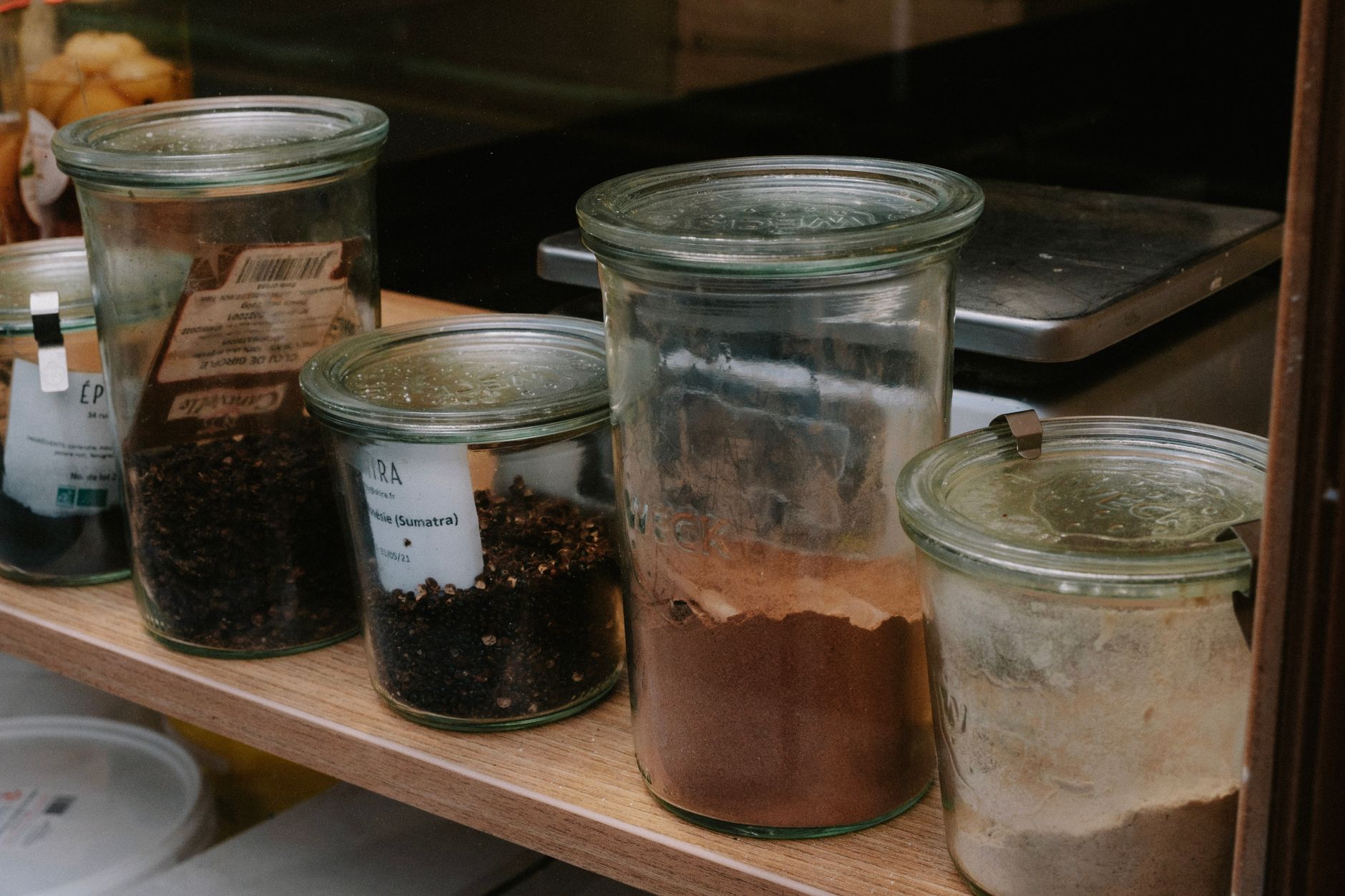
Once the leaves crumble easily between your fingers, they are ready to store. Strip them from the stems and keep them in a jar with a tight lid, away from heat and light. A cabinet works better than a spot near the stove.
Soft herbs need a different approach
Basil, parsley, cilantro, and other tender, high moisture herbs tend to turn dull and lose most of their flavor when air dried. Freezing usually keeps more of their character. Chopping the leaves and freezing them in a little water or oil in an ice cube tray is a simple way to portion them out, and the frozen cubes can be dropped straight into cooking later without thawing first.
If you would rather keep the leaves whole, laying them flat on a tray to freeze first, then transferring them to a bag once solid, keeps them from clumping into one frozen block.
Salt and oil as slower methods
Packing herbs in salt is an old, simple way to hold onto them, and it works particularly well for sturdier herbs. Layering leaves with salt in a jar draws out moisture and the salt itself becomes flavored along the way, useful in its own right later on.
Infusing oil with dried herbs is another option, though it is worth being careful here. Fresh herbs in oil, kept at room temperature, can create conditions where harmful bacteria grow without any obvious sign in taste or smell. If you infuse oil, use fully dried herbs, keep the mixture refrigerated, and use it within a short window rather than treating it as a long term pantry staple.
The goal with storage is not to freeze a moment in time perfectly. It is to keep enough of the plant’s character that it is still worth reaching for months later.
Labeling matters more than it seems
A jar of dried leaves can be surprisingly hard to identify by sight alone once several herbs are stored side by side. Writing the name and the date on the jar takes a moment and saves real confusion later. Herbs do not spoil in a way that makes them unsafe the way some foods do, but they do lose potency, and knowing roughly how old something is helps you judge whether it is still worth using generously or whether you should use more of it to get the same effect.
How long stored herbs actually last
Dried herbs kept in a cool, dark place generally hold reasonable flavor for about a year, sometimes longer for the sturdier ones like rosemary and bay. They do not go bad in a way that would make you sick, but they do fade, turning dusty and faint rather than dangerous. Frozen herbs hold their color and flavor a bit better than dried ones for a similar stretch of time, as long as the freezer stays consistently cold.
A small system beats a large one
It is easy to feel like you need a full pantry of preserved herbs to make the effort worthwhile. In practice, a small, well labeled shelf of the herbs you actually cook with regularly is more useful than a large, disorganized collection of things you rarely reach for. Storing what you will use, in amounts you will get through before the next season comes around, keeps the whole practice simple rather than turning it into another thing to manage.
Whole leaves versus crumbled or ground
Herbs generally hold their flavor longer when stored as whole leaves rather than crumbled or ground ahead of time. Grinding or crumbling increases the surface area exposed to air, which speeds up the fading process. If you have the patience for it, waiting to crush dried herbs until just before you use them keeps the jar useful for longer than crumbling everything at once during the initial drying stage.
Where in the kitchen actually matters
A spot right next to the stove might feel convenient, but it is usually the worst place to keep dried herbs, since the repeated heat from cooking speeds up the loss of flavor and color. A cabinet a little further away, even just a few feet, makes a noticeable difference over the course of several months. The same goes for jars kept on an open shelf in direct sunlight versus one tucked behind a cabinet door. Convenience and preservation sometimes pull in different directions, and it is worth giving preservation the edge for anything you are hoping to use well into the following season.
Herbs rarely spoil outright. They simply fade, and the goal of good storage is slowing that fade down as much as reasonably possible.
Checking on what you already have
Before starting a new round of drying or freezing, it is worth going through what is already stored from earlier in the season. Jars that have gone dusty or lost their scent when rubbed between your fingers are past their useful point, even if they are not unsafe to use. Clearing these out makes room for the new harvest and gives an honest sense of how much you actually go through in a season, which is useful information for deciding how much to preserve going forward.