Some links in this post are affiliate links. If you buy something through one, Naturally Well Today may earn a small commission, and the price you pay does not change. How this works.
Oats sit in most pantries as a breakfast decision and not much else, a canister waiting for a cold morning or a batch of cookies. But plain, old-fashioned oats are a surprisingly flexible thing to keep around, and knowing their other uses means you get more out of one bag than you expected.
Breakfast is still the anchor
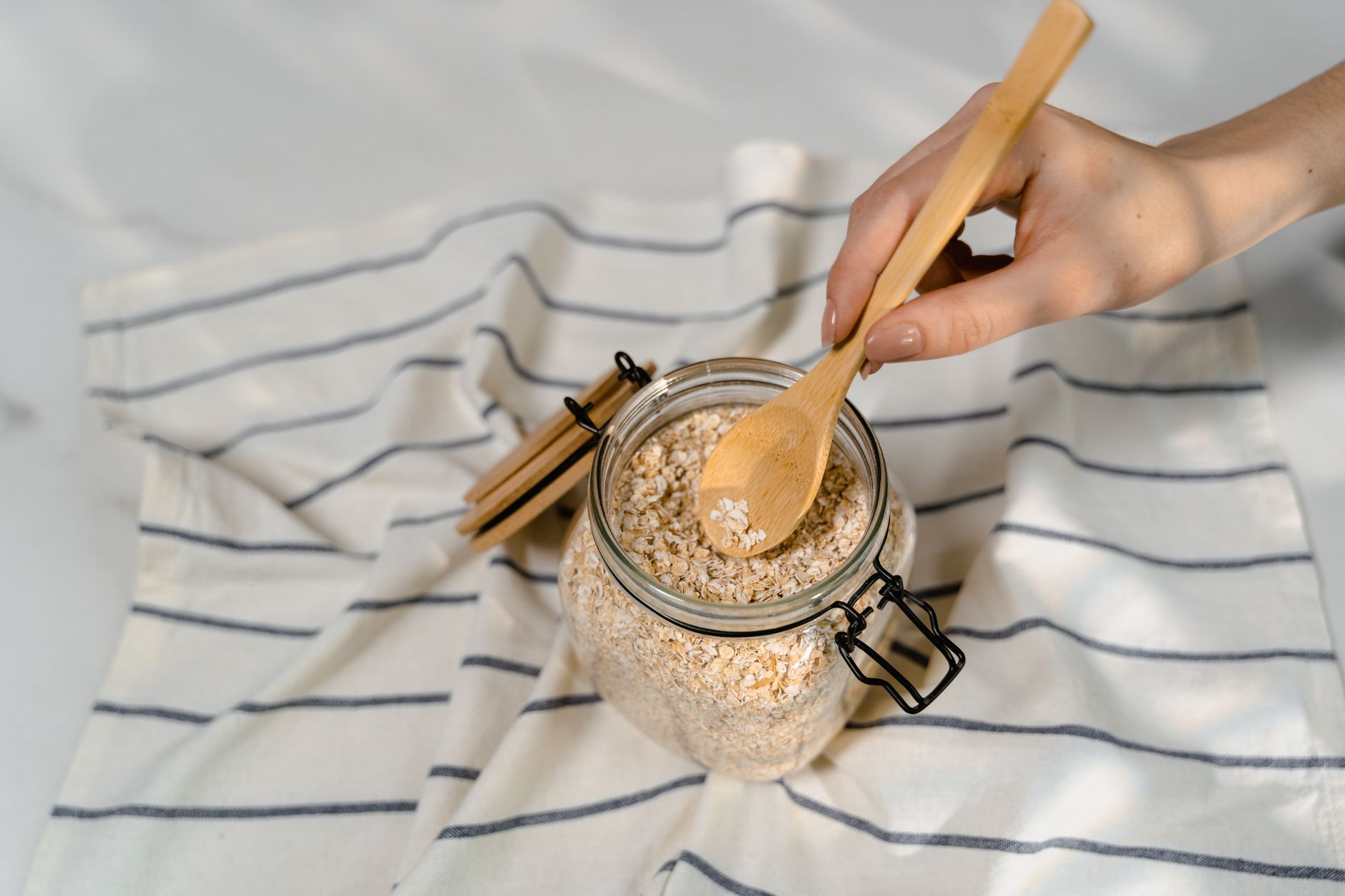
It is worth starting here because this is where oats do their most reliable work. Rolled oats cooked slowly on the stove, or left overnight in the refrigerator with milk or a plant-based alternative, make a filling and simple start to the day. Steel-cut oats take longer but hold their texture better, which some people prefer. Neither needs much beyond fruit, a little honey, or a spoonful of nut butter to feel complete.
Oats also work well as a binder in cooking. Ground into a rough flour in a blender, they can replace some of the flour in pancakes or muffins, adding a slightly heartier texture. A handful stirred into meatballs or a veggie patty helps hold everything together without needing breadcrumbs.
In the bathtub
This is probably the most well-known use outside the kitchen. Ground oats, sometimes labeled colloidal oatmeal when finely milled, have a long history of being added to bathwater for skin that feels irritated, dry, or itchy. The oats create a slightly milky, soft water that many people find calming on the skin.
To try it, grind plain oats in a blender or food processor until they are a fine powder, then either stir a cup directly into warm bathwater or tie the powder into a piece of cloth or an old sock and let it steep like a tea bag. The water will look cloudy, which is normal.
This is a comfort measure, not a treatment for a skin condition. If a rash spreads, does not improve, or comes with swelling or pain, that calls for a doctor rather than a bath.
As a gentle scrub
Mixed with a small amount of warm water or plain yogurt, ground oats make a soft paste that can be massaged onto the skin and rinsed off. It is mild enough for a face or hands, without the grit of coarser scrubs. Some people add a spoonful of honey to the mix, since the two pair well and honey adds a bit of stickiness that helps the paste hold together.
This kind of homemade scrub should be used gently and not too often. Skin that is already irritated does not need more scrubbing, it needs rest, so if anything about your skin feels off or painful, skip this and let it be for a while.
Around the house
Because oats absorb moisture and odor well, a small bowl of dry oats left in a musty drawer or a gym bag can pull some of the smell out over a day or two, similar to how baking soda is often used. It is not a deep clean, just a mild, passive fix for a small space.
Oats can also be tied into a small cloth bundle and left in a linen closet as a soft, neutral scent absorber, especially if a few dried lavender buds are added to the same bundle.
A thin layer of ground oats can also be worked gently over dishes that have picked up a greasy film, since the texture helps lift residue without scratching most surfaces. It is not a replacement for regular dish soap, more of a backup when the cabinet under the sink is running low.
A slow food that keeps well
Part of what makes oats worth keeping in bulk is how long they last. Stored properly, a bag of rolled oats can sit in the cabinet for the better part of a year without losing much of its texture or usefulness. That shelf life is part of why oats show up so often in longer term pantry stocking, alongside rice, beans, and other dry staples that do not ask to be used right away.
They also travel well. A small jar of dry oats mixed with a bit of dried fruit and a pinch of salt makes a simple, no-cook snack for a hike or a long car ride, needing nothing more than a spoon and a little patience for the oats to soften slightly with saliva and time, or a splash of water if you would rather soak them briefly first.
None of this makes oats a wonder ingredient. What makes them worth keeping around is how unfussy they are, cheap, shelf stable, and useful in more rooms of the house than just the kitchen.
A few practical notes
- Plain, unflavored oats work best for anything outside of eating them. Flavored instant packets are not a good substitute for skin or cleaning uses.
- Store oats in a sealed container in a cool, dry cabinet. They can attract pantry moths if left open too long.
- A basic blender or food processor is enough to grind oats into a fine powder for bath or skin use. No special equipment is needed.
- If you have a known oat allergy, none of these uses are for you, including the bath soak, since skin contact can still cause a reaction.
One bag, several jobs
It is easy to walk past the oats in the pantry without thinking much of them. But a plain bag of rolled oats is doing quiet work in more places than the breakfast bowl, and it rarely asks for anything in return besides a little grinding and a bit of warm water.