Some links in this post are affiliate links. If you buy something through one, Naturally Well Today may earn a small commission, and the price you pay does not change. How this works.
Of all the things sitting in a kitchen cabinet, salt is probably the one taken most for granted. It is cheap, it never expires, and it rarely gets a second thought beyond seasoning dinner. But a closer look at plain table salt or kosher salt shows how much work it can quietly do outside of cooking, if you let it.
Cooking, done properly
Salt’s main job is still flavor, and it is worth doing that job well before thinking about anything else. Salting pasta water so it tastes like the sea, salting vegetables before roasting so they release moisture and crisp up, salting meat ahead of time so it seasons all the way through rather than just on the surface, these are small habits that make a real difference in how food turns out.
Salt is also a preservative, and one of the oldest known to us. A simple brine of salt and water can keep vegetables like cucumbers or cabbage fresh and fermenting for weeks. Coarse salt rubbed onto meat or fish before curing draws out moisture and slows spoilage, which is the whole basis of things like cured salmon or a simple homemade jerky.
Cleaning without a cabinet full of products
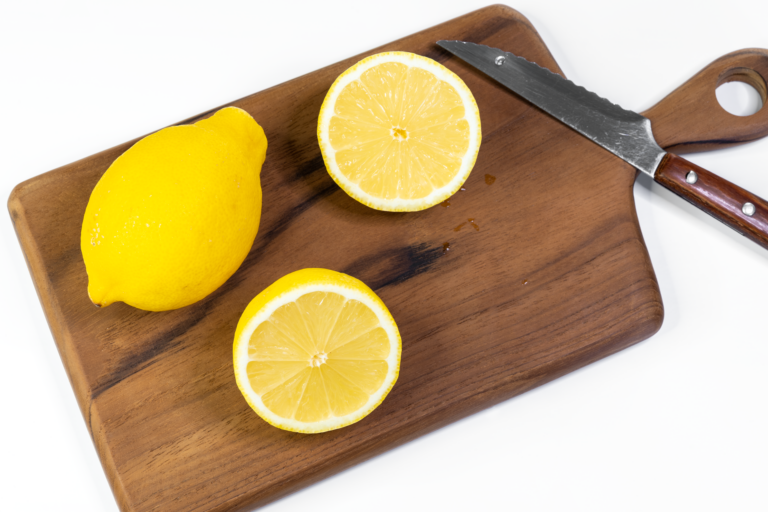
Because salt is mildly abrasive and does not scratch most surfaces, it works well as a light scouring agent. A mix of salt and a little water or lemon juice can lift stuck-on residue from a cast iron pan without stripping its seasoning the way soap can. The same mix works on cutting boards, especially wooden ones, to lift stains and light odors.
A small amount of salt poured down a slow drain, followed by hot water, can help loosen buildup, though it is not a fix for a fully clogged pipe. For stovetops, a paste of salt and a bit of water can help scrub away burnt-on spills once the surface has cooled.
Spilled wine or grease on a rug is one of salt’s better party tricks. Poured generously over a fresh spill and left to sit, it absorbs a surprising amount of the liquid before it sets into the fibers, making the eventual cleanup easier.
In the laundry room
A small amount of salt added to a wash cycle can help set colors in newly dyed or dark fabrics, keeping them from fading as quickly in the first several washes. It is also sometimes used as a gentle pre-treatment for fresh sweat stains, dissolved into cool water and dabbed onto the fabric before a full wash.
Around the house, in smaller ways
A bowl of salt left near a damp closet or a musty corner can pull a bit of moisture out of the air over time, similar to how commercial dehumidifier packets work, though on a much smaller scale. It will not fix a serious moisture problem, but it can take the edge off a small, enclosed space.
Salt is also traditionally used to extinguish small grease fires on a stovetop, since pouring it directly onto the flame smothers the fire without spreading the grease the way water would. This only works for small, contained flames, never for a fire that has spread beyond the pan, which needs a proper extinguisher and, if it is at all serious, a call for help.
In the garden, sparingly
A strong salt solution poured directly onto weeds growing up through a patio or a gravel path can dry them out over a few days, since salt draws moisture out of plant tissue. This should be kept well away from garden beds or lawn edges, since salt does not stay put and can make nearby soil inhospitable to anything you actually want growing there. It is best reserved for cracks in concrete or gravel where nothing else is meant to grow.
Salt is also sometimes used in small amounts around the base of potted plants to discourage certain crawling pests, though this should be done carefully and sparingly, since too much will harm the plant itself along with the pests.
What makes salt worth paying attention to is not any single trick, it is how many small jobs one plain box can cover without ever needing to be replaced by something more specialized.
Things worth remembering
- Plain table salt, kosher salt, and coarse sea salt behave a little differently. For cleaning and laundry uses, plain or kosher salt is usually easiest to work with.
- Salt on cast iron should be dry or barely damp, not soaking, to avoid encouraging rust.
- If anyone in the household is managing high blood pressure or another condition tied to sodium intake, that is a conversation for a doctor, and it applies to how much salt goes into food, not how much sits in a cleaning cabinet.
- None of these household uses require a special type of salt. The plain box from the grocery store does the job.
A quiet workhorse
It is easy to reach past the salt box without thinking about it, but few things in a pantry carry their weight in as many directions. Between the stove, the sink, and the laundry room, one box tends to outlast almost everything else on the shelf.