Some links in this post are affiliate links. If you buy something through one, Naturally Well Today may earn a small commission, and the price you pay does not change. How this works.
Before I started sewing lavender sachets, my first attempt at scenting a closet was much simpler and much less refined, just small bundles of dried herbs tied with cotton string and hung from a nail on the inside of a cabinet door. It is a step down in tidiness from a sewn bag, since bits of leaf do occasionally flake off and need sweeping up, but it is faster to make and does not require any sewing at all, which made it a good place to start.
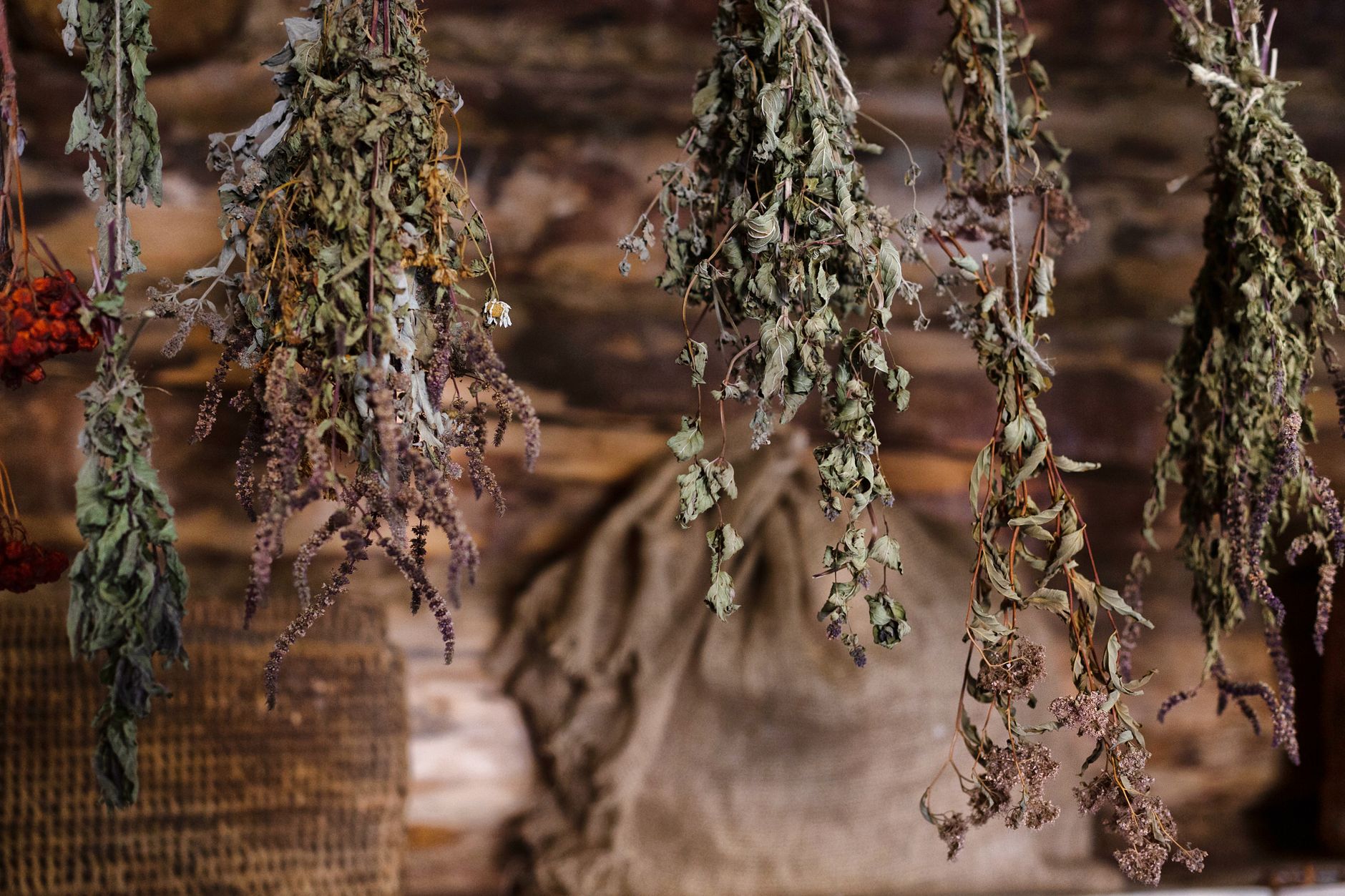
I dried rosemary, spearmint, and bay leaf from the garden by tying small bunches with string and hanging them upside down in a spot with good airflow but out of direct sun, which took about ten days to two weeks depending on how humid the week happened to be. Bay leaf in particular took the longest, and I learned to be patient with it. The first time I used bay leaves that felt dry to the touch but still had a slight flex to them, they were not actually finished drying, and after being bundled and hung in the cabinet, the whole bundle developed a faintly musty note within a couple of weeks that had not been there when I hung it. I had to take it down and start over with a fresh batch, waiting until the leaves were properly brittle and snapped rather than bent.
Building a bundle
Once everything is properly dry, I combine a small handful of each herb, maybe six or seven rosemary sprigs, a similar amount of mint, and two or three bay leaves, and tie them together at the stem end with a length of cotton string, wrapping it a few times and knotting it firmly. The dried stems are brittle enough that wrapping too tightly can cause the outer sprigs to snap, so I have learned to wrap snugly but not tightly. Leaving a longer tail of string gives you something to hang the bundle from a hook or a nail.
What lasted, and what faded fast
Rosemary held its scent the longest of the three by a fair margin, still noticeably fragrant after two months in a linen closet that does not get opened often. Mint faded much faster, down to almost nothing after about three weeks, which makes sense given how the leaves themselves are thinner and more delicate once dried, with less of the woody structure that seems to hold rosemary’s oils longer. Bay leaf sat somewhere in the middle, contributing a warm background note more than a sharp scent of its own.
Because of that difference, the combination I settle on now leans more heavily on rosemary, using it as the base of the bundle with mint and bay as smaller accents rather than equal partners. It gives a bundle that still smells like something recognizable even after the mint has faded out.
The musty bay leaf bundle taught me that dried does not always mean dry enough, and that the difference matters more than it looks like it should.
Where I use these versus where I do not
These bundles go in closets, linen cabinets, and one hangs in the mudroom near the coat hooks. I keep them away from kitchen cabinets that store food directly, mostly because loose leaf fragments can flake down onto shelves, and I would rather not have plant matter falling into a cabinet with open containers or unsealed staples. A closed drawer with folded fabric is a better home for a bundle that might shed a little over time.
Refreshing an old bundle
When a bundle stops smelling like much, usually somewhere between six and ten weeks depending on which herbs made up the mix, I take it down, shake it gently over a trash can to release any loose bits, and either compost it or just make a fresh one. I have tried crushing an old bundle slightly to release more oil from what is left, which does give a brief burst of scent for a day or two, but it fades again quickly after that. A genuinely fresh bundle is the more reliable fix.
This whole project costs almost nothing if you already grow rosemary or mint, and it is forgiving of imperfect technique. My early bundles were lopsided, tied with far too much string, and still worked fine for scent even if they looked a bit rough hanging in the cabinet. The only real lesson worth carrying forward is to let the herbs dry all the way through before you bundle them, however long that patience actually takes in your own kitchen.
Other herbs I tried and set aside
I experimented with thyme and sage as well, mostly because both were already growing in the garden and drying quickly enough to try. Thyme dried well and smelled pleasant fresh out of the bundle, but the scent dropped off faster than rosemary, closer to the timeline mint gave me, so it did not earn a permanent place in the mix. Sage dried a bit unevenly, with the thicker stem ends staying slightly soft even after the leaves themselves were brittle, which made we wary of using it the way I had been burned by bay leaf. I still dry a little sage most seasons, but I use it in the kitchen rather than in a hanging bundle, and keep the closet bundles to the combination that has actually proven itself over time.
Hanging versus tucking flat
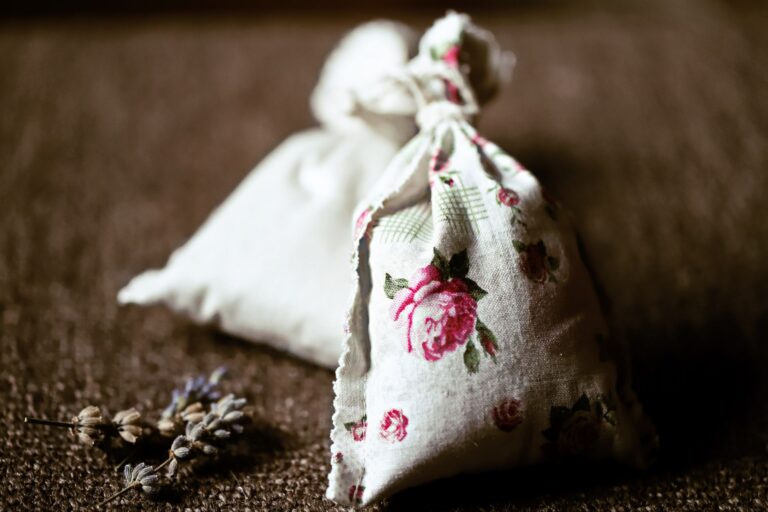
Hung bundles work well in a taller cabinet or closet where there is room for the shape to hang without getting crushed against folded items, but in a shallow drawer, a hanging bundle just gets squashed flat under whatever is stored there. For drawers, I break the same dried herbs into a small loose pile inside a folded piece of cheesecloth instead, tied at the top like a small pouch, rather than trying to hang anything. It is a slight variation on the same idea, adjusted for the space it needs to fit into, and it holds scent about as well as the hanging version does in a cabinet.
Between the two forms, hanging bundles and flat cheesecloth pouches, I have found there is a version of this that works for almost any enclosed space in the house, and neither one asks for much beyond herbs, string, and the patience to let them dry properly first.