Some links in this post are affiliate links. If you buy something through one, Naturally Well Today may earn a small commission, and the price you pay does not change. How this works.
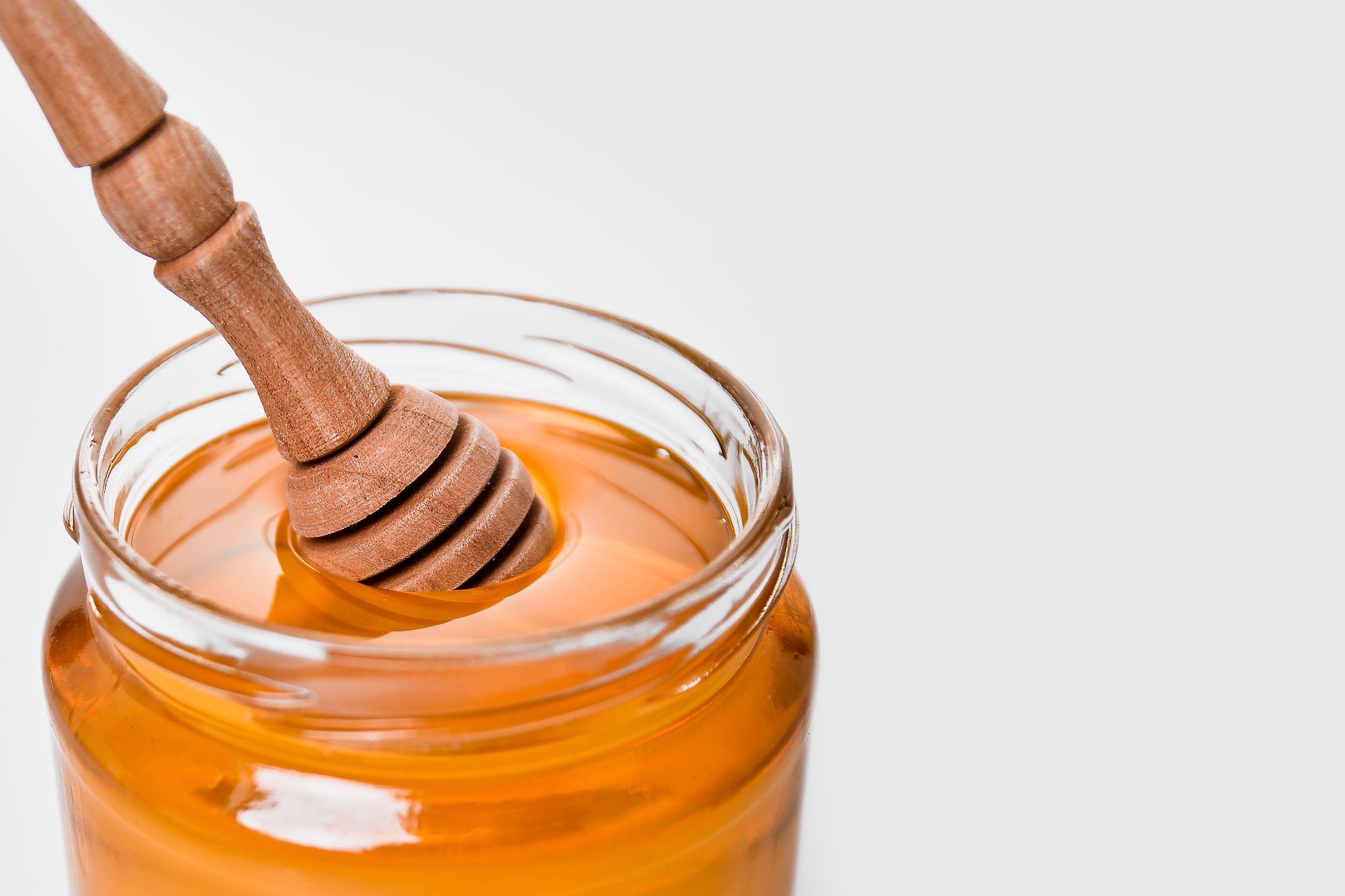
There is usually a jar of honey somewhere in the cabinet, half used, a little crystallized around the lid. Most of the time it gets a slow morning with toast or a spoonful in tea, and then it sits again for a while. But honey is one of those pantry items that earns its space by doing more than one job, and it is worth looking at it that way instead of letting it wait for special occasions.
In the kitchen, first
The obvious use is still the best place to start. Honey works as a sweetener in nearly anything you would reach for sugar for, though it behaves a little differently. It carries more moisture, so baked goods made with it tend to stay soft longer, and it browns faster in the oven, so a lower temperature or shorter bake time usually serves better. In dressings, a small spoonful balances out something sharp, like vinegar or citrus, without needing much else.
It also plays well with heat in a way sugar does not always manage gracefully. Warmed gently, it thins out and coats vegetables or roasted fruit evenly, which is why so many roasting recipes call for a light drizzle near the end rather than at the start, when high heat can push it toward burning.
Soothing a scratchy throat
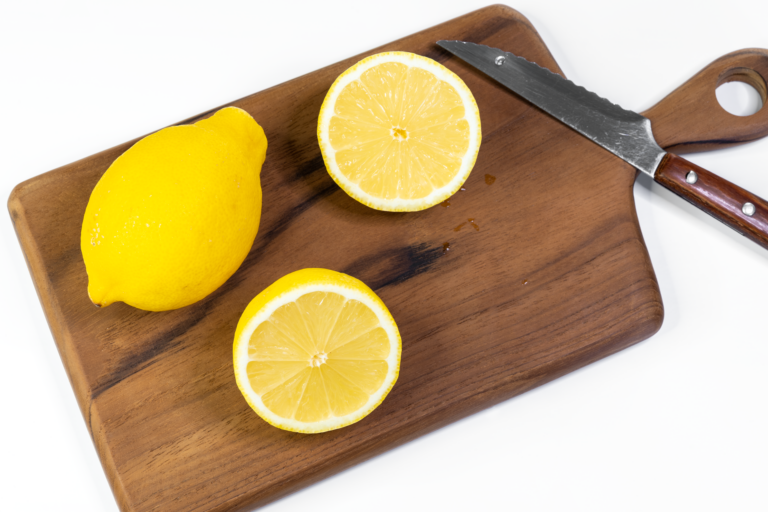
A warm drink with honey and lemon is one of the oldest home habits there is, and it remains a reasonable one. The warmth and the texture can be genuinely comforting when a throat feels raw or a cough is nagging at you. That said, this is comfort, not treatment. If a sore throat lingers past a week, comes with a fever, or makes swallowing difficult, that is a conversation for a doctor, not a home remedy to lean on longer than it should be leaned on.
One clear exception worth repeating here: honey should never be given to infants under one year old. Their digestive systems cannot handle it safely, and this is not a minor caution, it is a firm one.
Around the kitchen, not just in it
Because honey is naturally sticky and slow to dry out, it shows up in a few unexpected corners of home care. A thin layer can help pull out a splinter over the course of a day when covered with a bandage, the tackiness working the same way certain drawing salves do. It is also gentle enough to use as a light face mask on its own, left on for ten minutes or so and rinsed with warm water. The result is not dramatic, just a soft, slightly smoother feel to the skin afterward.
Some people also stir a spoonful into a warm bath, which does little functionally but adds a nice texture to the water and a faint sweetness to the air. It is a small ritual more than anything else.
In the garden and beyond
If you keep any potted plants or a small garden bed, a very dilute honey solution is sometimes used as a rooting aid for cuttings, since it has mild properties that support new growth. This is a gardening habit passed down more than a scientifically precise method, so treat it as an experiment rather than a guarantee.
Honey also has a long history as a natural preservative. Fruit steeped in honey keeps longer than fruit left plain, which is part of why so many older recipes for infused honeys and shrubs exist. A jar of sliced ginger or citrus peel covered in honey, left in the refrigerator, slowly turns into something you can spoon over yogurt or stir into warm water months later.
The versatility is not really a trick. Honey is simply slow to spoil, slightly antimicrobial on its own, and pleasant in both sweet and savory settings, which is why it keeps finding new corners of a household to be useful in.
A few things to keep in mind
- Honey never truly expires, but it can crystallize. A gentle warm water bath around the jar will bring it back to liquid without heating it directly on the stove.
- Raw and pasteurized honey behave slightly differently in texture, but for most household uses either will do.
- Not everyone tolerates honey well, and some people are allergic to pollen it may contain. If you notice any reaction, stop using it and check in with a doctor.
- None of the home uses here replace medical care. Honey is a pantry staple with pleasant, mild properties, not a remedy for anything serious or ongoing.
Keeping it simple
Part of what makes honey worth paying attention to is how little effort it asks for. There is no recipe required to get value out of it, just a willingness to reach for it in more places than the tea cup. A cabinet with one good jar of honey in it is already carrying more weight than it looks like it is.