Some links in this post are affiliate links. If you buy something through one, Naturally Well Today may earn a small commission, and the price you pay does not change. How this works.
My first few winters of indoor herb growing ended the same way, with a windowsill full of yellowing stems by February. I assumed I just did not have a bright enough apartment. It turned out the bigger problem was watering on a fixed schedule instead of watching the plant, and expecting a windowsill to provide the same light a garden bed gets outdoors.
Light is the real limiting factor
A south facing window in summer and the same window in December are not comparable. The days are shorter, the sun sits lower, and the light that reaches a windowsill is a fraction of what it was months earlier. Herbs that thrived on that same sill in July can struggle badly by winter, not because anything changed about the plant, but because the light did.
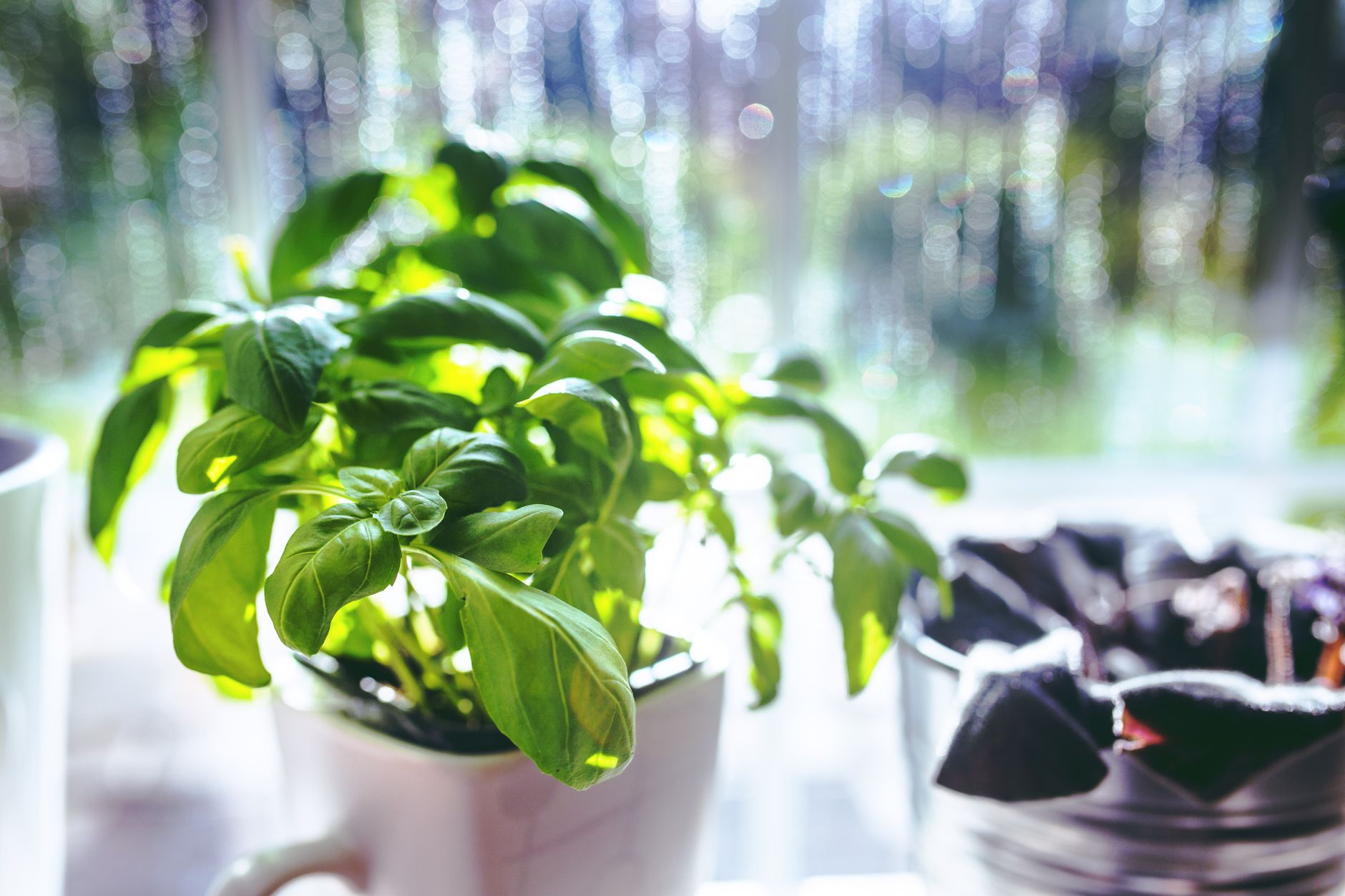
Rosemary, thyme, and oregano tolerate lower light better than basil does. Basil is the one I have the hardest time keeping happy indoors in winter, and it often gets leggy, stretching toward whatever light it can find with thin, weak stems and leaves spaced far apart. If a plant is doing this, more water will not fix it. It usually needs more light than the space is providing, and a small grow light has done more for my winter herbs than anything else I have tried.
Watering by feel, not by day
I used to water every few days out of habit. What actually works better is checking the soil with a finger before watering at all. If the top inch is still moist, I leave it. Indoor air in winter is drier because of heating, which can make people assume plants need more water, but slower growth in low light actually means most herbs need less water than they did in summer, not more.
Overwatering is the most common way I have killed an indoor herb. Root rot sets in quietly, and by the time the leaves show it, the roots are already in trouble. A pot with real drainage holes and a saucer underneath makes this much easier to manage than a decorative pot with no way for water to escape.
Spacing and airflow matter more indoors
Outdoors, wind keeps air moving around plants. Indoors, especially on a crowded windowsill, herbs can sit in still, humid air that encourages mold and mildew on the soil surface and lower leaves. I space my pots a few inches apart now instead of crowding them together, and I trim off any lower leaves that are touching the soil or another plant.
The winter I finally kept a rosemary plant alive past March, the only thing I changed was moving it two feet to the left, into a spot that got a sliver of direct sun for about an hour at midday. Nothing else about my routine was different.
What to expect realistically
Indoor herbs in winter grow slowly, and that is normal rather than a sign of failure. I stopped expecting the same lush growth I get outdoors in June, and started harvesting more lightly, taking just a few leaves at a time instead of cutting whole stems. This keeps the plant from being pushed past what it can regrow given the limited light.
Some herbs are simply not worth fighting for indoors in winter. Dill and cilantro, in my experience, rarely do well on a windowsill regardless of care, since they prefer cooler outdoor conditions and more consistent light than most homes can offer. I have made peace with letting those go dormant or replacing them each spring rather than trying to keep them going year round inside.
Choosing the right pot and soil
I used to reuse whatever pot was on hand, and it made a bigger difference than I expected to switch to terracotta for most of my indoor herbs. Unglazed terracotta breathes, letting excess moisture evaporate through the sides rather than sitting trapped against the roots the way it can in plastic or glazed ceramic. For herbs prone to overwatering problems, like rosemary and thyme, that extra breathability has made the difference between a plant that sulks and one that settles in.
Soil matters just as much as the pot. A dense, moisture holding potting mix meant for houseplants generally does not suit herbs well. I mix in a bit of perlite or coarse sand to any bagged potting soil before using it for herbs, which keeps water moving through rather than pooling near the roots. It is a small step, but it has cut down on the soggy, sour smelling soil that used to show up in my pots by midwinter.
A small rhythm, not a big project
What finally worked was treating indoor herbs as a small daily glance rather than a project with a schedule. A minute of looking at the soil, the leaves, the light in the room, tells me more than any calendar reminder does. It is a quiet habit now, checking in on a few pots on the counter before I start making coffee, and it has kept far more of them alive than any specific technique I tried before.
By the time spring light returns, the herbs that made it through usually look a little tired, smaller and leggier than they were in fall. I have stopped expecting them to look their best through the darkest months, and instead just aim to keep them alive and steady until the light comes back and they can put on new growth again.
- Winter light is weaker even in the same window as summer
- Check soil moisture by touch before watering
- Space pots apart for airflow, trim leaves touching soil
- Harvest lightly during slow winter growth
- Some herbs may simply not thrive indoors in winter, and that is fine